Every animal welfare organization in Jordan eventually answers the same question: what are you actually trying to change?
Save this dog. Sterilize this litter. Pass this regulation. These are real and necessary outcomes — and we pursue them. But narrow answers don’t survive the underlying problem. The dog you save this year will be replaced next year by another, born into the same conditions, raised in the same culture, encountered by the same people holding the same attitudes. Sterilization programs without attitude change get rolled back when politics shift. Regulations without genuine public support are unenforced or repealed.
The pattern is consistent enough to change how we think about our job: the durable variable is what people believe. Everything else — laws, programs, infrastructure, funding — sits on top of public attitudes and ultimately reflects them.
So for Al-Yarmouk, the question is not whether to do education work alongside our other activities. The question is whether we are organized around education as the primary mission, with everything else in service of it.
We are.
Our research program produces the credible evidence on which any educational message has to rest. Our spay/neuter clinic for owned dogs is also a recurring point of community contact and informal education. Our work with schools, decision-makers, and the broader public is not the soft side of what we do — it is the point.
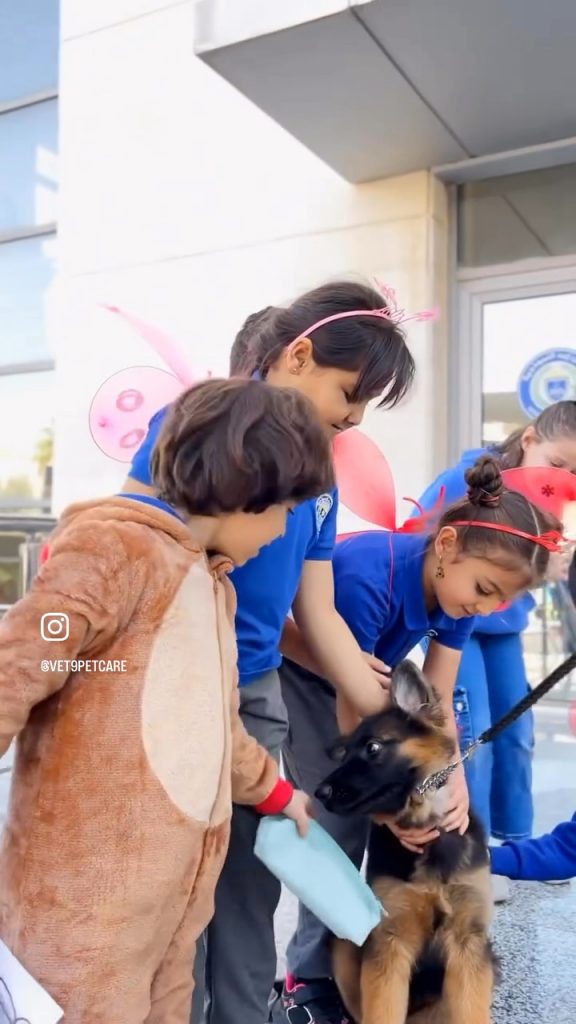
Jordan’s animal welfare situation will not be solved by winning the next news cycle. It will be solved by the patient, generational work of replacing inherited attitudes with informed ones. A child who interacts with a dog at age eight grows into an adult whose intuitions are different. Multiply across cohorts, and the entire baseline of public sentiment moves.
That’s the bet we’re making. The posts that follow describe the four programs that flow from it.