
Jordan’s Stray Dog “Crisis” Is Real — But Not What the Media Says It Is
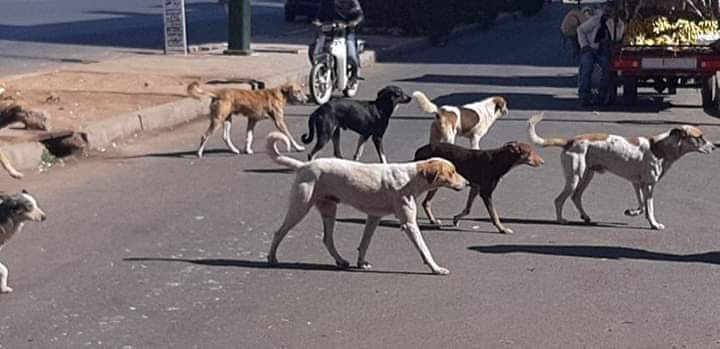
Stray dogs are a legitimate public health concern. They are not, on the available data, a growing one. The gap between the measured situation and the media narrative is shaping bad policy.
Educating the Next Generation
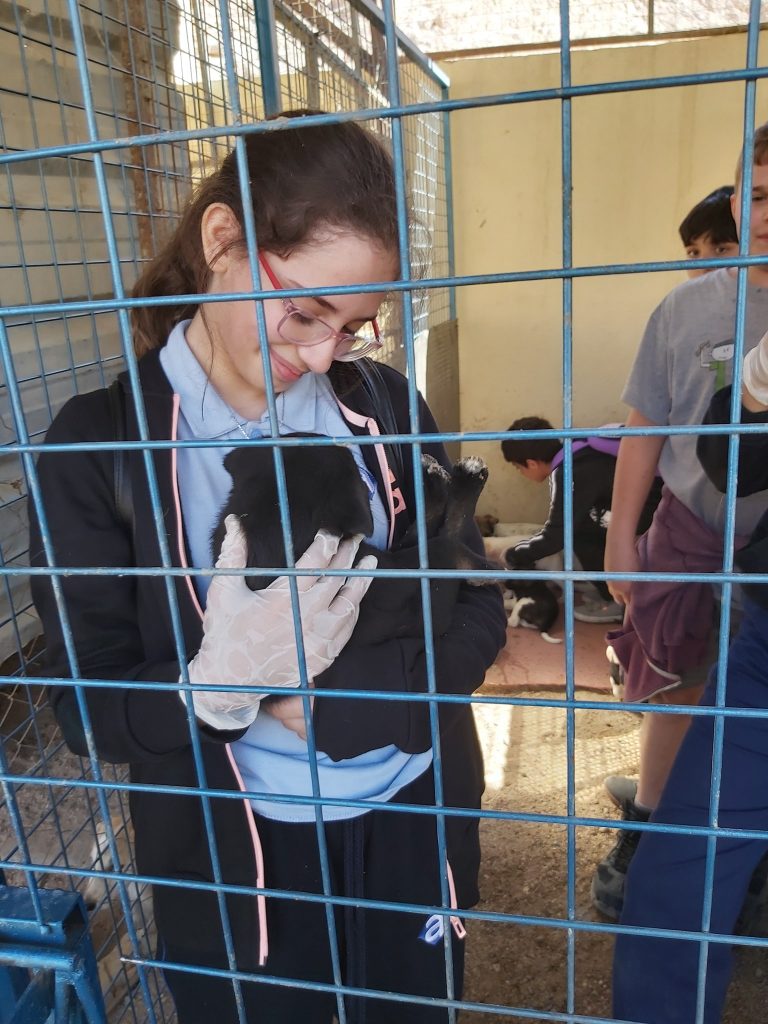
Public attitudes toward dogs in Jordan are learned, not innate. The most efficient place to teach different ones is in classrooms. We’ve started this work and need partners to scale it.
What Ministry of Health Data Actually Show About Rabies and Bites in Jordan
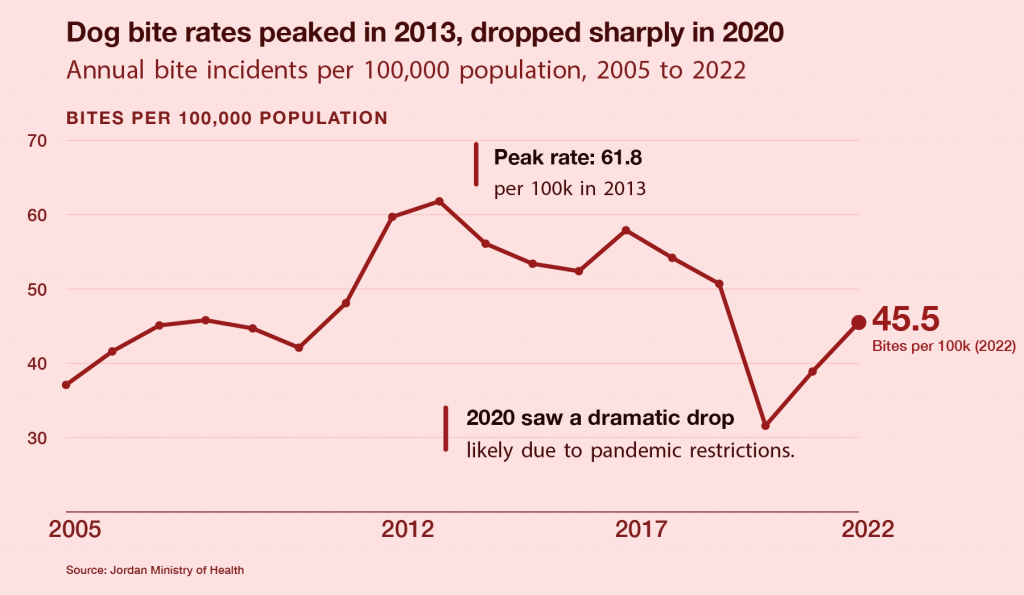
If stray dogs posed a rapidly growing threat to public safety, we would expect to see it in the Ministry of Health data. We don’t. Here’s what the numbers show.
Why 2022 Changed Everything: What the Media Coverage Tells Us
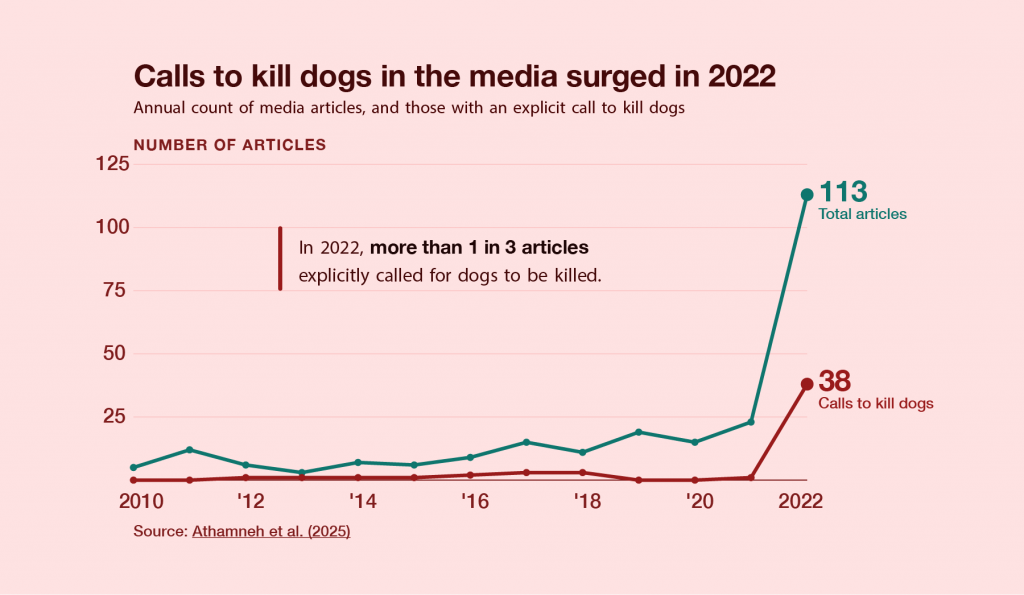
We analyzed 247 Arabic-language articles about stray dogs in Jordan from 2010 to 2022. Coverage was flat for a decade — then it wasn’t. Here’s what the pattern reveals.
What Jordanians Actually Think — and How You Can Help Us Find Out
Our published study answered one set of questions. It highlights another set we haven’t answered yet: how does the Jordanian public actually feel about stray dogs? Here’s the work ahead — and how partners and donors can help.
What Two Years of Counting Dogs in Irbid Actually Show
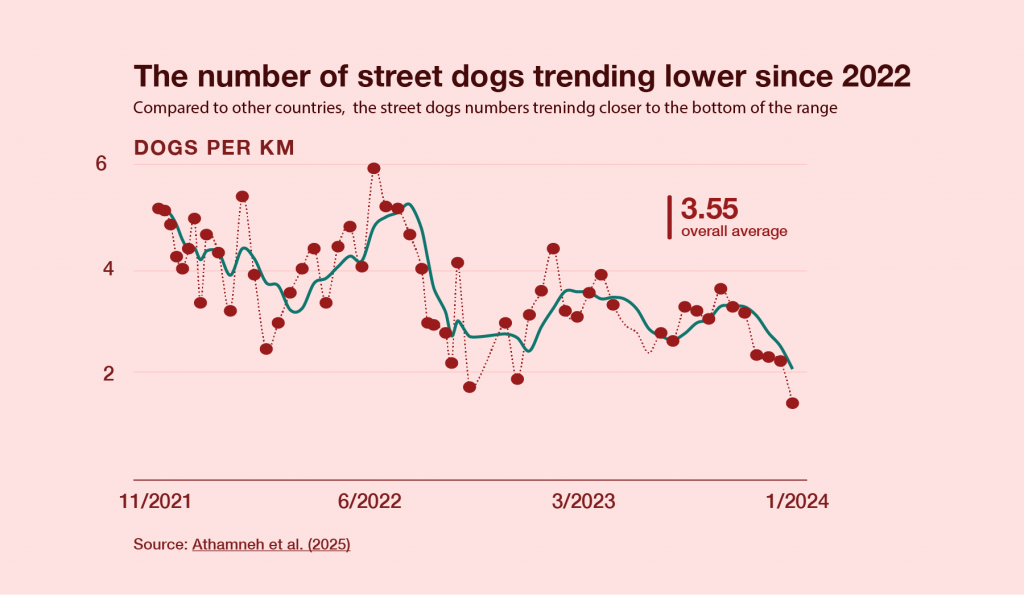
Since November 2021, our team has driven the same 25-kilometer route every two weeks, counting every stray dog we see. Here’s what the data say — and why the gap between perception and measurement matters for policy.
Why We Spay Owned Dogs, Not Street Dogs

Al-Yarmouk runs a free spay/neuter program — but only for owned dogs. The choice is deliberate, and it reflects the most important lesson our years of fieldwork have taught us: targeting matters more than volume.
A Note to International Partners: We Know What’s at Stake
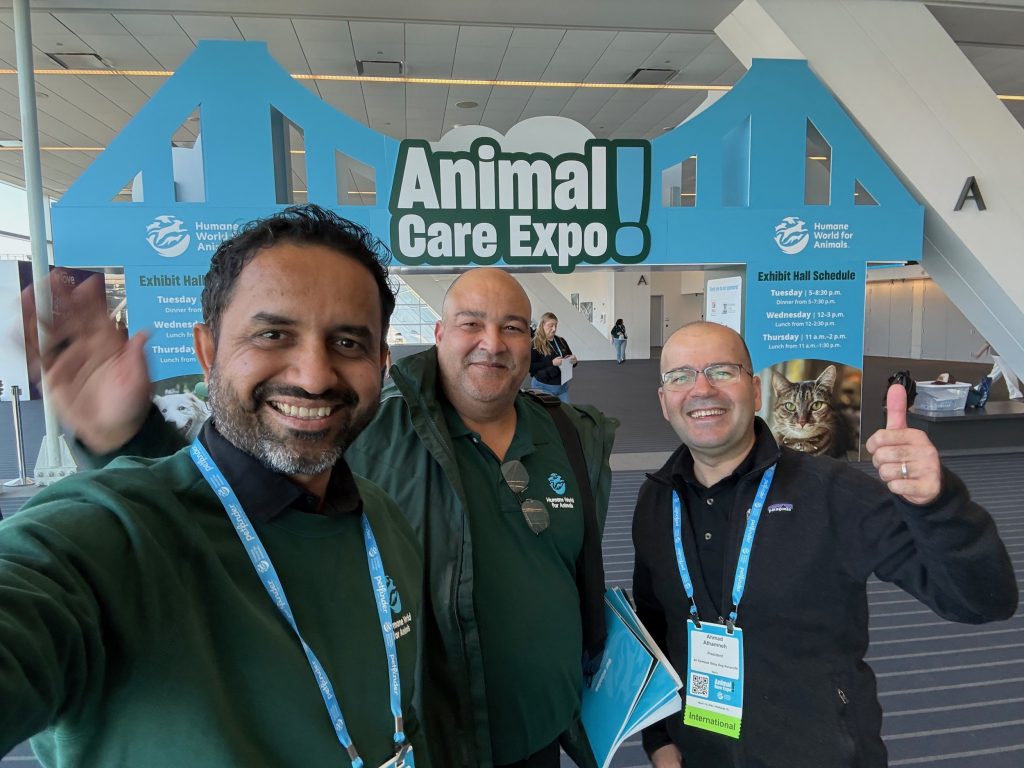
International animal welfare organizations are increasingly aware that cross-border work in places like Jordan can backfire. Here’s how we think about partnership — directly, and without dancing around the hard part.
Educating the People Who Make the Decisions
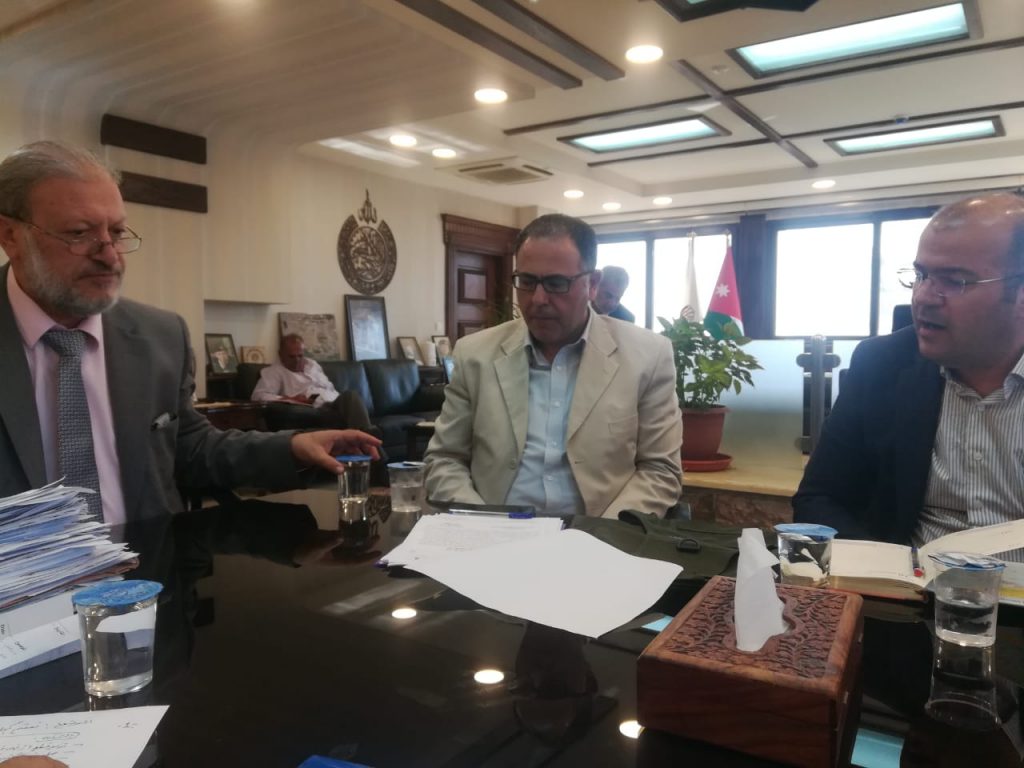
No humane policy survives a knowledge gap among decision-makers. Our stakeholder program targets the officials, community leaders, and ministry staff whose understanding shapes what gets done — and what gets prevented.
Al-Yarmouk New Study Clarifies Jordan’s Stray-Dog Reality, Puts Human Health Front-and-Center

A peer-reviewed paper published on 6 May 2025 in the Journal of Applied Animal Welfare Science—“Toward Objective Assessment of the Stray Dog Problem in Jordan” (https://doi.org/10.1080/10888705.2025.2500976) the first data-driven look at free-roaming dogs in Irbid and what they mean for public health. Key findings Why it matters for people Residents in those hotspots legitimately fear bites […]